If you want to start flipping thrift store and yard sale finds, a few categories are much more likely to be worth your time than others. The sweet spot is usually items you can get cheap, clean up easily, and list without a ton of hassle.
*This post may contain affiliate links. As an Amazon Associate we earn from qualifying purchases.
Some of the best flips are clothing, collectibles, and small household items that people already know how to search for online. If you’re trying to keep your reselling budget under control, a few simple budget basics can help you stay picky about what you bring home.
You do not need to buy everything that looks old or interesting. It helps to focus on items with a clear audience, a reasonable selling price, and manageable shipping or storage. That is where thrift flipping starts to feel a lot more doable.
Quick tips before you start buying
Before you load up your cart, think about how you will sell the item. Large pieces work best locally, while smaller finds are easier to list online. A quick check with your phone can also save you from guessing wrong on value.
Look for clean condition, recognizable brands, and items that photograph well. If something is fragile, bulky, or hard to ship, make sure the price leaves enough room for profit.
1. Wood furniture
Wood furniture is one of the strongest thrift-flip categories, especially if you plan to sell locally. Small dressers, tables, and other solid pieces often sell well because they can be refreshed without a huge investment.
You can keep it simple and sell it as is, or sand it down and add paint or stain for a bigger payoff. Even a modest update can make a piece look much more polished and help you double or triple what you paid.
2. Name brand jeans
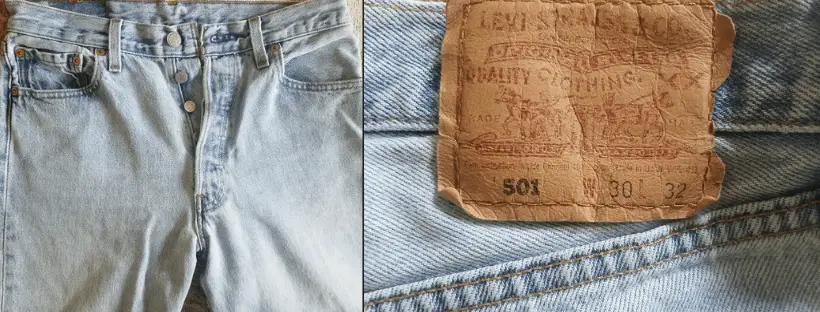
Name brand jeans can be a great buy when you spot them for just a few dollars. People are often willing to pay far less than retail, but still enough to make your profit worthwhile.
Check the fit, brand, and condition before you buy. Popular jeans are easy to list on platforms like Poshmark or Facebook Marketplace, especially when they are clean and free of major wear.
3. Retro shirts
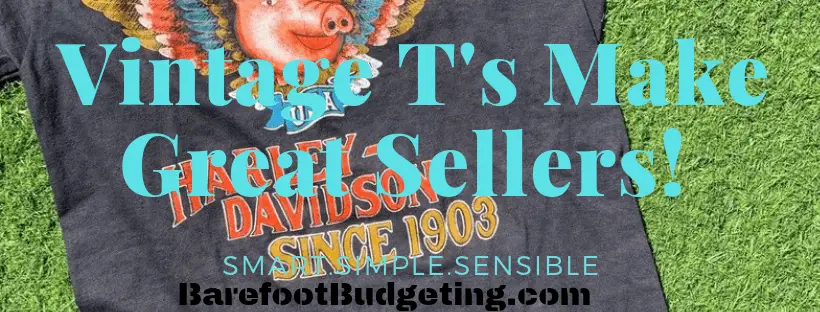
Retro shirts are another smart thrift-store find because they already have a built-in audience. Vintage band tees, old logos, and nostalgic graphics can attract buyers who are hunting for something specific.
The key is to look for shirts that feel collectible, not just worn out. A fun print in good condition can do very well, especially if it has a recognizable theme or a little bit of character.
4. Coffee mugs
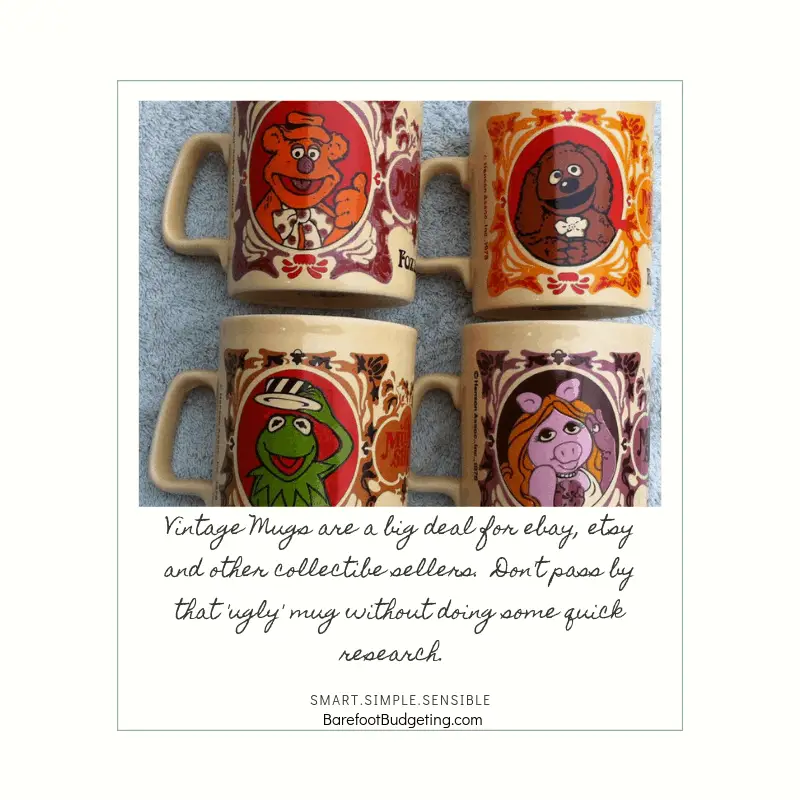
Old mugs, especially logo mugs or collectible character mugs, are often cheap to buy and easy to resell. You might find them for under a dollar and list them for several times that amount.
Pay attention to shape, graphics, and condition. A mug with a strong fan following can be worth far more than an ordinary kitchen mug, so it is worth taking a second look before you pass it by.
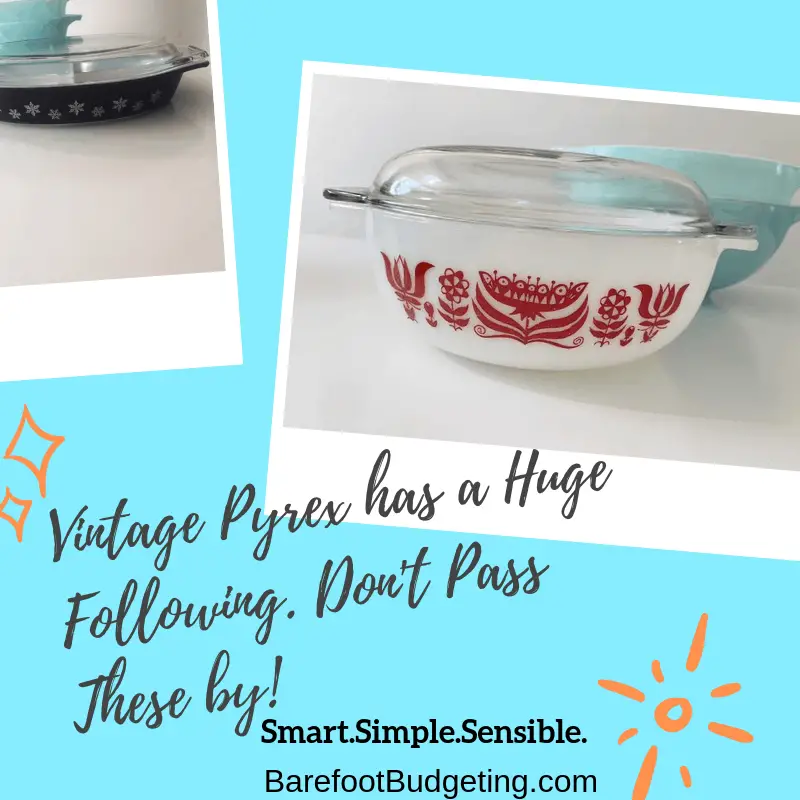
5. Pyrex glassware
Pyrex glassware has a loyal following, and that can make it a strong thrift-store pickup. Patterns, colors, and matching sets tend to grab attention fast.
If you do not love shipping glass, local selling is the easier route. That keeps the risk down and makes it simpler to move pieces without worrying about breakage.
6. Books and magazines
Books and magazines can be surprisingly profitable when you choose them carefully. They sell through places like eBay and Amazon, but not every title is worth grabbing.
Bring your smartphone and check demand before you buy. Popular subjects, collectible editions, and older magazines in good shape are much better bets than random stacks from a shelf.
7. New or nearly new items
Brand-new items can be a sweet find at yard sales and thrift stores. If the price is low enough, these can be easy flips because buyers love a deal on something that has not been used much, if at all.
Keep an eye out for unopened goods, new-with-tags items, and things that still have packaging. These usually photograph well and do not need much extra work before listing.
8. Sporting goods
Used sporting goods are often in demand because families want a lower-cost way to keep kids active. Balls, protective gear, and equipment pieces can move well if they are clean and in decent condition.
This category can be especially helpful if you want items that are practical and useful rather than purely decorative. Just be sure to check for wear, missing parts, or anything that makes the item unsafe.
9. Vinyl records
Vinyl records have a strong collector crowd, especially when they are by popular artists or tied to recognizable pop culture names. Even a casual-looking stack can hide something valuable.
Take a quick look at artist names and condition, then decide if it is worth bringing home. Records are one of those finds that can surprise you when you least expect it.
10. Video games
Video games can bring good returns, but they take a little more attention than some other categories. The older systems and the newest systems tend to be the most interesting to buyers.
That means an Atari or original NES may have nostalgic appeal, while newer consoles like Xbox One and PS4 can still sell well. Mid-range systems often do not bring the same payoff, so it helps to watch what buyers are actually looking for right now.
How to choose the best thrift items for resale
When you are deciding what to buy, think about profit, condition, and effort. A small item that sells quickly is often better than a bigger one that sits for months.
- Go for recognizable brands. Buyers often search by name first.
- Choose easy-to-photograph items. Clear photos help listings stand out.
- Watch shipping costs. Bulky or fragile items can eat into profit fast.
- Check condition carefully. Missing pieces, stains, and cracks lower value.
If you want more ideas for keeping your flip budget low, you may also like these save ideas that make spending feel a lot more intentional.
It also helps to stay patient. A lot of reselling success comes from knowing what to pass up, not just what to buy.
What usually sells fastest?
Smaller items with a clear audience usually sell faster than oversized pieces. Think brand-name jeans, mugs, records, books, and popular collectibles.
Furniture can bring better profit, but it often takes more work and more patience. If you want quicker turnover, start with items you can list, ship, or meet locally without a lot of hassle.
For another practical budgeting angle, a few save ideas can be surprisingly helpful when you are trying to stretch a small buying budget across multiple finds.
FAQ
What is the easiest thing to flip from a thrift store?
Smaller items like books, mugs, jeans, and vinyl records are often the easiest to start with. They are usually simpler to store, photograph, and list online than bulky furniture.
Should I buy large furniture to resell online?
Usually only if you plan to sell locally. Furniture can be profitable, but shipping often makes it less practical for online resale.
How do I know if something is worth buying?
Look at the brand, condition, demand, and likely shipping or cleanup costs. If the item is cheap and you can still make a comfortable profit after fees and effort, it may be worth grabbing.
Do I need to be an expert to start thrift flipping?
Nope. Start with a few categories you already understand, then use your phone to check value before you buy. The more you practice, the easier it gets to spot good deals.