Day trading means buying and selling securities within the same trading day, and day trading courses can help you understand the speed, risk, and tools involved before you put real money on the line.
*This post may contain affiliate links. As an Amazon Associate we earn from qualifying purchases.
It is a very different approach from long-term investing. Instead of holding a position for months or years, a day trader is watching short-term movement closely and closing positions before the market day ends. That pace can feel exciting, but it can also get expensive fast if you do not understand what you are doing. That makes more sense once you compare amazing lilo and stitch baby shower theme ideas.
If you are just getting familiar with the idea, it helps to start with the basics: what day trading actually involves, what a course should teach, and where the biggest risks usually show up.
What day trading involves
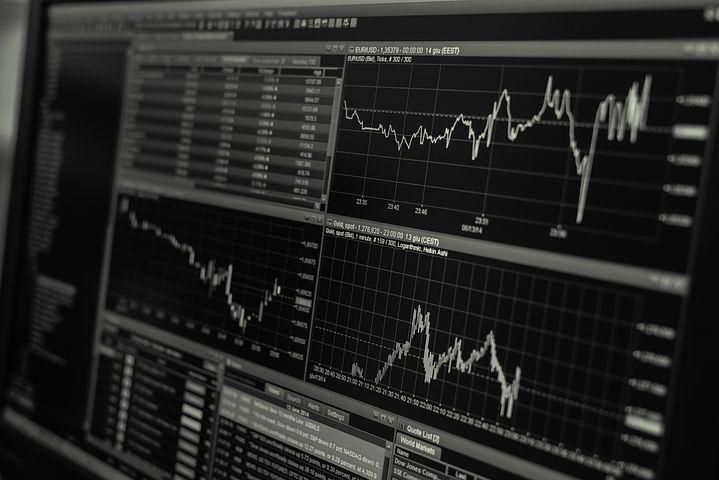
Day trading is the buying and selling of securities within one day. Every trade is opened and closed before the day is over, so the strategy depends on short-term price changes rather than long-term growth.
That is why day traders need to stay focused on market movement throughout the day. A small move can create an opportunity, but a small mistake can also turn into a loss very quickly. This style of trading is legal, but it is not a shortcut to easy money.
| Day trading | Longer-term investing |
|---|---|
| Trades are usually closed the same day | Positions may be held for months or years |
| Depends heavily on short-term movement | Depends more on long-term market growth |
| Requires fast decisions and close attention | Usually needs less day-to-day monitoring |
| Can involve higher costs and higher stress | Can be simpler for many beginners |
What day trading courses usually cover
A good day trading course should explain the process in plain language. Most beginners need help with the mechanics first, then the strategy, then the risk.
Courses often cover:
- How the stock market works during the trading day
- How to read price movement and basic charts
- How to place and close trades
- Risk management and position sizing
- Brokerage platforms and trading tools
- Common mistakes beginners make
It can also help to look for courses that include real examples, practice exercises, or clear explanations of trading terms. Online day trading courses and trader reviews can be useful for getting a feel for whether the material sounds practical and beginner-friendly.
Why risk management matters so much
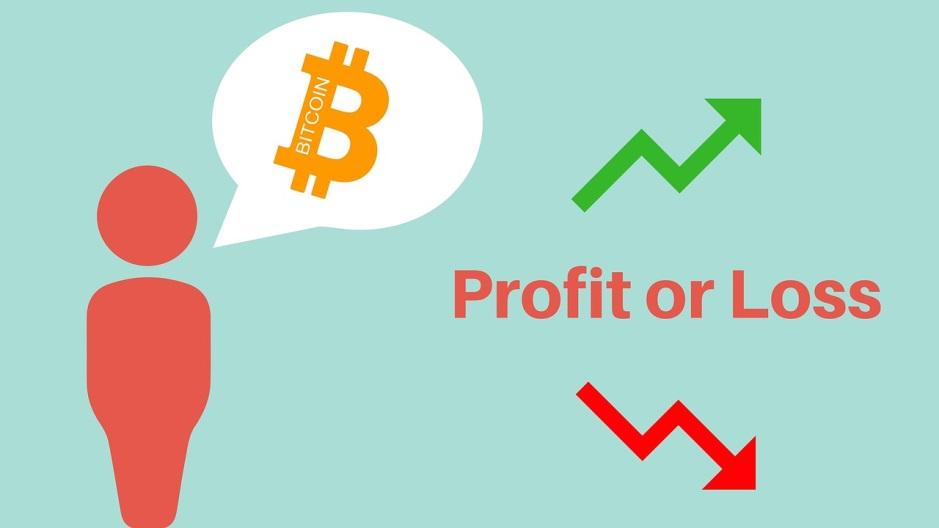
Day trading comes with a lot of risk. It is sometimes compared to gambling because the outcome can change quickly and one bad decision can cost a lot. That is why many traders use only money they can afford to lose.
Some day traders work for larger companies because that can give them advantages such as connections, direct market access, and better tools. Others trade on their own and rely on specialized machines, software, and data to analyze market movement. Either way, the goal is not just to make trades quickly. The goal is to make informed trades.
Broker costs can also be a real factor. If trading fees are high, the pressure to take bigger risks can grow. That is one more reason to learn the basics first and not rush in.
Who day trading may suit
Day trading is usually better for someone who can handle fast decisions, possible losses, and a lot of screen time. It is not a great fit for money that is needed for bills, savings goals, or anything else that cannot be tied up in a risky trade.
It may appeal to people who:
- Enjoy tracking numbers and market movement
- Can stay calm under pressure
- Have time to watch the market closely
- Understand that losses are possible
- Are willing to keep learning as they go
If that does not sound like your style, that is okay. A slower investing approach may be a better fit for your personality and your budget.
Practical tips before you start
Before you pay for any course or place any trade, make sure your basics are in order. A little preparation can save a lot of stress later. It also helps to understand diy baby shower ideas budget baby bash.
- Use only money you can afford to risk.
- Learn the trading platform before you trade live.
- Check whether the course explains risk management clearly.
- Be cautious of anyone promising fast, guaranteed profits.
- Read reviews, but pay attention to whether the course teaches actual skills or just sells hype.
If your budget is already stretched, it may help to look at the bigger picture first. A few everyday money decisions can free up breathing room, like comparing broader investing approaches in Dimensional Funds vs. Vanguard, trimming transportation costs with money-saving car buying tips for women, and keeping major purchases under control with ways to get a car with no money down.
Frequently asked questions
What does day trading mean?
Day trading means buying and selling securities within the same trading day. Positions are closed before the market day ends.
Are day trading courses worth it?
They can be helpful if they explain the basics clearly and teach risk management, market tools, and common mistakes. A course is more useful when it helps you understand the process instead of promising quick money.
Can you day trade with a small amount of money?
Some people do, but that does not make it low-risk. If the money matters to your everyday budget, day trading is usually not a wise place to start.
Is day trading the same as investing?
Not really. Investing usually focuses on long-term growth, while day trading focuses on short-term price movement and same-day trades.
What should I look for in a day trading course?
Look for a course that explains chart basics, order types, risk management, fees, and realistic expectations. If a course is full of big promises and light on actual teaching, that is a red flag.
Day trading is complex, and the learning curve can be steep. If you decide to explore it, start slowly, protect your cash cushion, and make sure you understand the risks before you trade live. The more clearly you understand the process, the easier it is to decide whether this style of trading fits your goals.
