
*This post may contain affiliate links. As an Amazon Associate we earn from qualifying purchases.
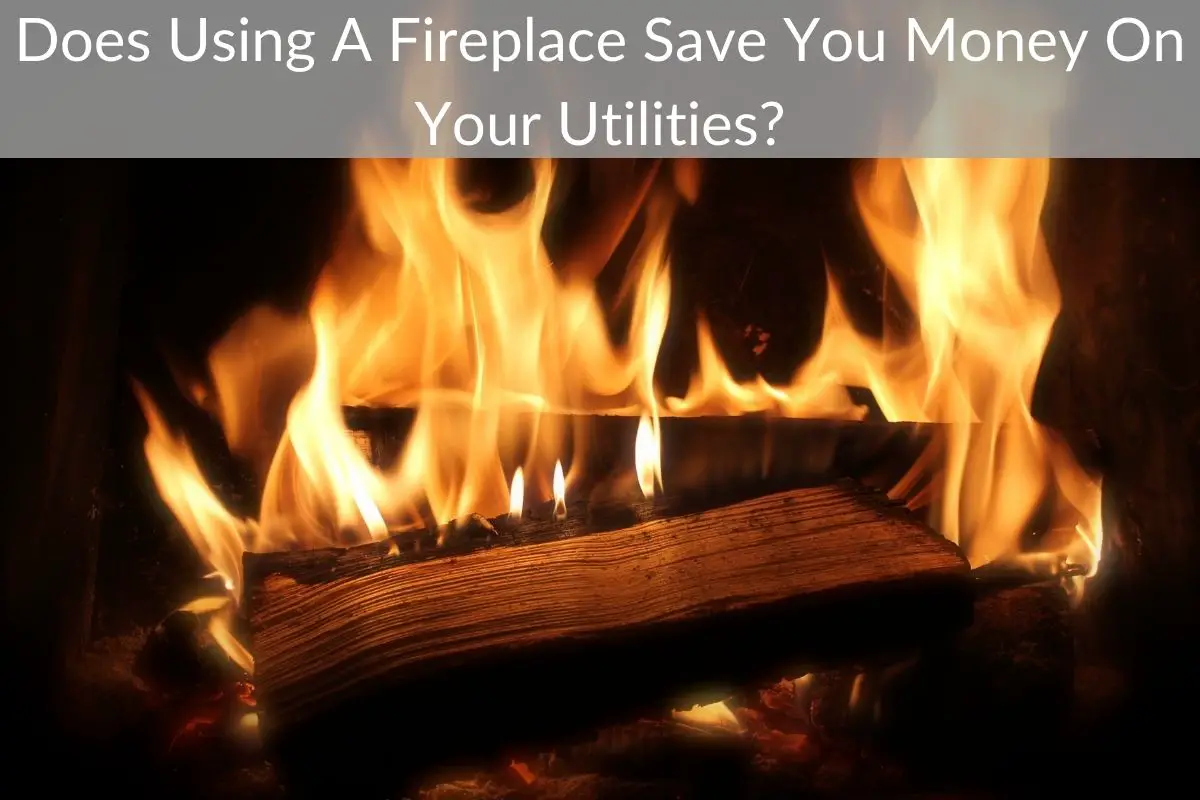
Fireplaces create a cozy and relaxing ambiance but they also can provide heat for your home. These days, we want everything to be energy efficient. By saving energy you can save money and who doesn’t want that?
So, does using a fireplace save you money on your utilities?
Some fireplaces are energy efficient while others are not. If you are running your furnace and at the same time using your fireplace, then it won’t save you any money. So, while fireplaces can save you money on utilities, they rarely do.
Depending on the type of fireplace, energy prices, how often you are using it, and the placement of the fireplace, it can have an impact on the energy it uses. Let’s take a look at energy prices and the use and placement of fireplace so you can save money while using your fireplace:
Energy Prices
If you have a gas or electric fireplace, then in order to figure out if your fireplace can save you money in utilities, you first need to know how much natural gas and electricity costs in your area, especially if your fireplace is a different energy source than your furnace.
If you are using a gas fireplace and gas is expensive that year, then you won’t be saving money. If you use an electric fireplace instead, then this can save you money and vice versa. So, check out the rates and see if your fireplace is really going to save you more money than your furnace.
Use And Placement
Where your fireplace is located as well as how you use it are important factors in saving your money. You want to use it wisely to save money.
If your fireplace isn’t causing you to use your furnace less, then it isn’t going to save you any money. Let’s look at 2 ways you can use your fireplace instead of your furnace so you can save energy and money on your utilities:
Zone Heating
By making sure that the fireplace is heating the most used space in your home, which is typically the living room, then you can turn down the furnace because the heat from the fireplace will be enough to keep you at a comfortable temperature.
Fireplace Heat Affecting The Thermostat
If your fireplace is near the thermostat in your home, then the heat will affect its temperature sensor. Because of this, the thermostat won’t know what temperature the rest of the house is and it will run less.
But this won’t work if you have sensors in multiple rooms.
To see some of the most popular fireplaces just click here.
Does Using A Wood Fireplace Save You Money?
The type of fireplace you have can determine if it is going to save you money in utilities by using it. Some fireplaces aren’t so energy efficient. This is measured by the amount of heat produced by the fireplace vs the energy used.
So, does a wood fireplace save you money?
Using a wood fireplace will save you a lot of money if you are able to get the wood for free. However, with a wood burning fireplace you will be investing your time and energy getting and splitting the wood to burn it in return for saving money.
So when you factor in your time for chopping and splitting the wood it might not actually be worthwhile.
So, although wood burning fireplaces are your best option for saving money (if you don’t count your time), gas and electric fireplaces are far more energy efficient. To discuss this further, let’s look at the types of fireplaces that will be the most energy efficient and why.
Homeowners need to use fireplaces strategically since most of the time, they end up using more energy if not used wisely. So, let’s discuss 3 types of fireplaces and if they are helpful in saving you money by being energy efficient or not.

Wood Burning Fireplaces
The sound of crackling wood and the aroma of a cozy fireplace are some simple things that many with wood burning fireplaces enjoy. Wood burning fireplaces are authentic and beautiful.
But, even though they do provide some heat in your home, a lot of the heat is lost up the chimney. In fact, it is said that 80% to 90% of the heat from wood burning fireplaces is lost up the chimney making it the least energy efficient way to heat your home.
Heat along with additional air is pulled up and out of the chimney. In the summer months, A/C is lost and during the winter heat is lost due to the opening created by the chimney. The problem could be worse if you forget to close the flue.
So, if you have a wood burning fireplace make sure there is a good seal on the damper so you can reduce air loss from your home. In all, wood burning fireplaces are a great option for saving money but only if you don’t factor in the actual cost of the materials (the time and energy to get the wood).
Natural Gas Fireplaces
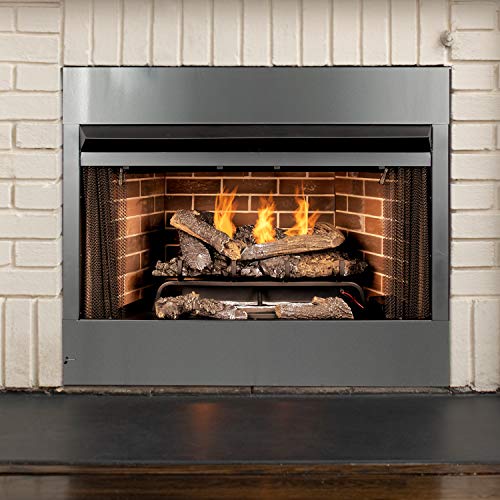
There are 2 types of gas fireplaces. The first is gas logs. This features a log set that is usually placed in an already existing masonry fireplace and then attached to a gas line. The front of this can be open or have glass doors that open.
With this type of fireplace, the majority of the heat is lost up the chimney just like wood burning fireplaces. It is said that 75% of the heat produced by a gas log fireplace is lost.
The second type of gas fireplace is a gas insert. These are designed like a metal box and can be installed into an existing masonry and seal the chimney or a new construction where there is no chimney. The air flows outside through a pipe which enables the fireplace to stay completely closed.
This makes it more energy effective since it isn’t sucking out all of the heat. It is said that gas inserts in fireplaces only lose about 20% to 30% of their heat. Both use gas as their source of energy, but gas inserts are the better option for saving money on utilities.

Electric Fireplaces
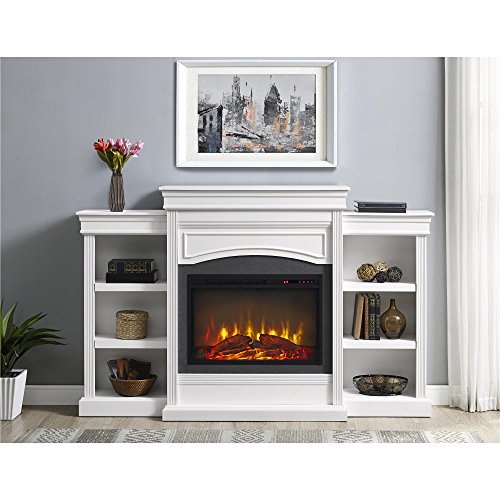
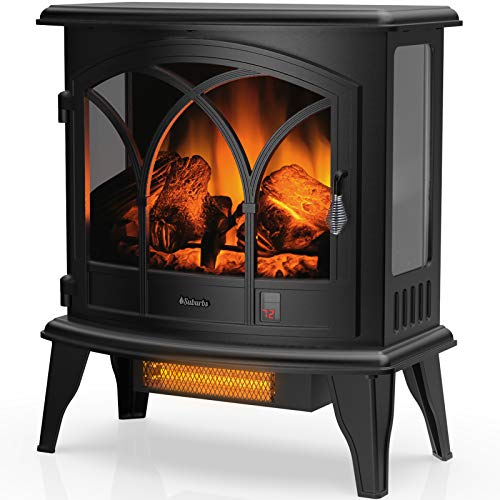
Modern and the most energy efficient out of all types of fireplaces, electric fireplaces only lose 1% of their heat. This is because there is no connection outside. They look similar to traditional or gas fireplaces but don’t require any venting or professional installation.
Electric fireplaces are also the cleanest for the air inside of your home since they don’t cause any pollutants. So, if you are looking to save money on your utilities by using your fireplace, then an electric fireplace is your best option.
Final Thoughts
So, when you are trying to save money on your utilities by using your fireplace, you can (if all the conditions are right). First of all, select the right kind of fireplace. Next, know the energy prices in your area so you have a better idea of what will usually end up saving you money. Then lastly, make sure the placement of the fireplace is where you will spend most of your time.
Electric fireplaces are going to save you the most money since they are the most energy efficient, however, if you enjoy cutting wood and don’t take the time and energy to get the wood into account a wood burning fireplace will save you the most dollars.
Using a fireplace can save you money on your utilities if it is the right type, you know the energy prices and use it properly in the most energy efficient way.
