5 Tips for Meal Planning With Kids


Meal planning with kids can make dinner feel a lot easier when everyone gets a little say. It gives kids some freedom, helps cut down on dinner fights, and can turn the weekly meal plan into something the whole family helps shape.

*This post may contain affiliate links. As an Amazon Associate we earn from qualifying purchases.

It can also be a great way to teach kids about saving money and making smart choices at the grocery store. With a few simple systems in place, meal planning becomes less of a chore and more of a family habit that actually sticks.

If you want to keep things simple, start with a plan your kids can understand and help with. A little structure goes a long way, especially when you combine dinner choices with sales, recipes they already know, and some help in the kitchen. If you enjoy building family routines around low-cost habits, you may also like keeping special occasions affordable when money is tight.

What you need before you start

  • A weekly grocery budget
  • A short list of family meals
  • Coupons, store ads, or sale flyers
  • A notebook, meal planner, or phone notes app
  • Optional: a Pinterest board or printed recipe list

You do not need a perfect system. You just need enough structure to give kids choices without making dinner planning overwhelming.

1. Include everyone in the plan

Depending on the size of your family, each child might choose one meal for the week, or maybe a little more if you have a larger menu. Adults should still have a say too, but giving kids a few chances to pick helps avoid the dreaded dinner battles.

A simple approach is to assign each kid a certain day every week. That way, they know when their turn comes around, and you do not have to start from scratch every single time. It feels fair, predictable, and easier to manage.

2. Shop the sales first

Before deciding on meals, sit down with the weekly coupons and deals. When kids can see what is on sale, it becomes easier for them to understand why certain meals make the most sense that week.

This is also a good chance to talk about stretching your grocery budget. If chicken, pasta, or a favorite vegetable is marked down, build a meal around that instead of buying something more expensive just because it sounds fun. If you need more ideas for staying flexible with family food, walking taco ideas can be a good starting point for easy, budget-friendly meals.

If your week gets off track, keep a few family favorites in a hat and let the kids pick one. It is a simple backup plan for those nights when dinner needs to come together fast.

3. Make a recipe list they can choose from

Kids often have a hard time choosing meals when they are staring at a blank page. A list makes things much easier. You can keep it in a notebook, on a whiteboard, or in a Pinterest board full of meals your family already likes.

Over time, you can add new recipes to the list and slowly build a stronger rotation. That means fewer “I do not know” moments and more confident choices from the kids. It also makes meal planning feel less repetitive for everyone. It also helps to understand bluey inspired baby shower theme ideas.

If your family likes trying new things, you can group recipes by type, like pasta, chicken, slow cooker meals, or breakfast-for-dinner ideas. That keeps the choices manageable without boxing you into the same five dinners every week.

4. Make meal planning feel fun

If your kids are crafty or love anything hands-on, turn meal planning into a little project. A cute Pinterest-style menu, a hand-drawn chart, or even a family meal board can make the process feel special instead of boring.

This is also a nice way to spend time together without adding much extra cost. The goal is not to create perfect decor. The goal is to make dinner planning feel like something everyone can participate in.

For families who like a more playful approach to family activities and simple routines, even a basic kitchen setup can become part of the fun. A marker board, colorful sticky notes, or a printable meal chart can be enough.

5. Include kids in the cooking too

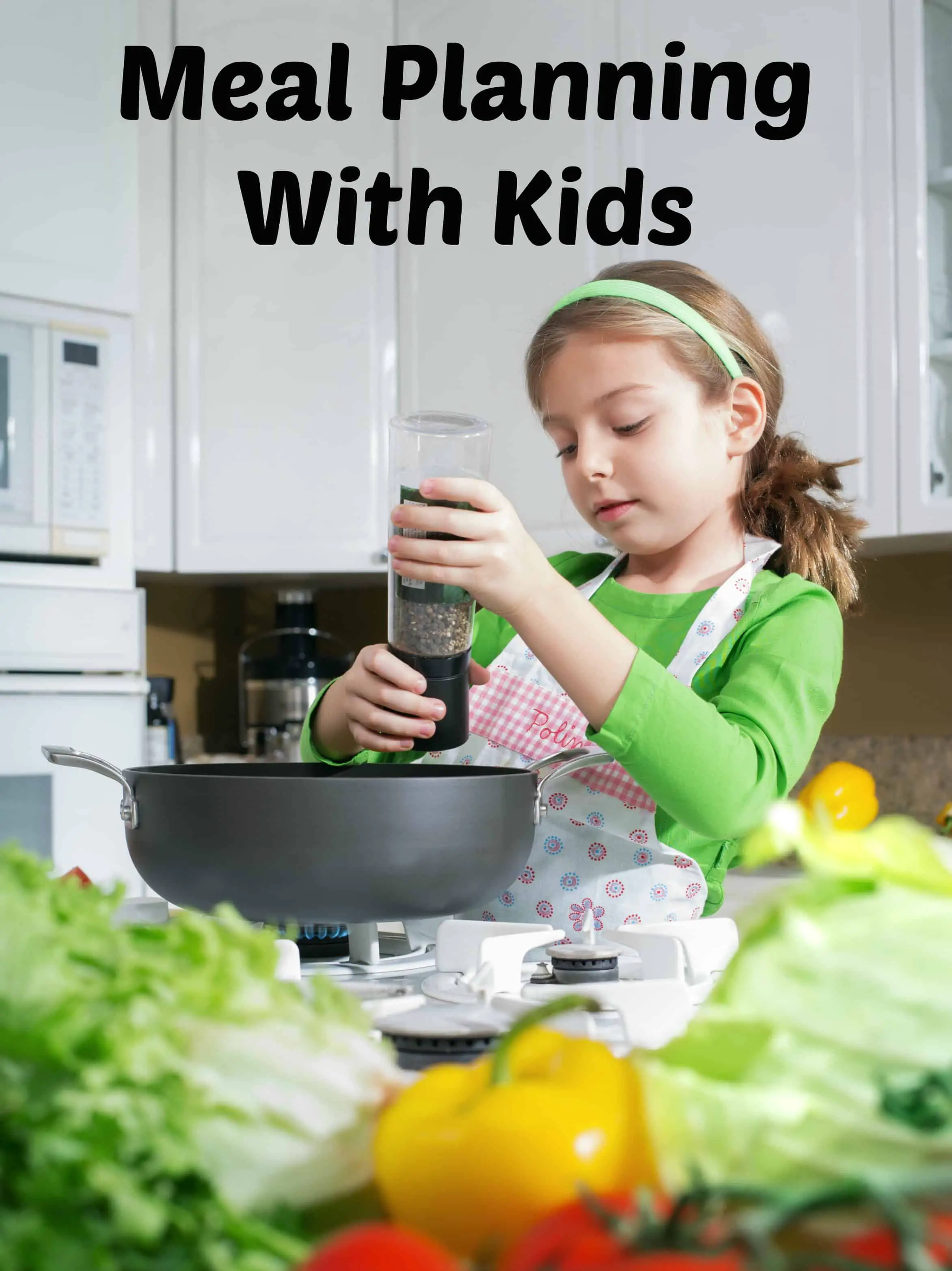
If your kids are old enough, let them help cook once the plan is set. Meal planning with kids is helpful, but cooking with kids can be even better because it teaches a real life skill.

Start with age-appropriate jobs. Younger kids can wash produce, stir ingredients, or help measure. Older kids can chop, assemble, or help with simple stovetop and oven steps with supervision. The more involved they are, the more ownership they usually feel about dinner.

That can make a big difference when it comes time to eat. Kids are often more willing to try a meal they helped choose and prepare.

Common mistakes to avoid

  • Giving too many choices at once
  • Skipping the sales and then wondering why the budget feels tight
  • Building the plan around recipes no one in the family actually eats
  • Making kids choose without giving them examples to work from
  • Trying to make every meal complicated instead of repeating favorites

Meal planning works best when it stays realistic. A short list of meals you know your family likes will help more than a big plan full of recipes that sound good but never get made.

Troubleshooting: how to make it easier when things do not go smoothly

If your kids cannot decide, narrow it down to two or three options. If everyone wants something different, assign one choice per child and keep the rest of the week simple. If the budget is tight, use sales to guide the menu before you ask for opinions.

If the plan keeps falling apart by midweek, try making fewer decisions at once. Plan only three or four dinners, then leave the other nights open for leftovers, breakfast for dinner, or a quick pantry meal. That can keep the whole system from feeling too rigid.

The more often you do this, the easier it gets to spot what is working and what is not. A meal plan does not have to be fancy to be useful.

How to tell if your meal plan is working

A good meal plan with kids should feel calmer, not more stressful. You will know it is working if dinner arguments go down, grocery shopping feels more organized, and your kids start recognizing how choices affect the budget.

It is also a good sign when the meals actually get eaten. If your family is finishing most of what you plan, that means you are choosing the right mix of familiar favorites and new ideas.

Small wins matter here. Even if the system is a little messy at first, the habit of planning together can still save time, money, and a whole lot of evening frustration.

Frequently asked questions

How many meals should kids help choose?

That depends on the size of your family. Some families give each child one dinner choice per week, while others rotate days so everyone gets a turn. Start small if you need to.

What if my kids only pick the same meals?

That is where a recipe list helps. You can keep their favorites on the list while slowly adding new options beside them. It gives them a safe place to choose from without boxing you into the same meals forever.

Can meal planning with kids really save money?

Yes, especially when you plan around coupons, sales, and ingredients you already have on hand. Kids also learn to make choices based on what fits the budget instead of asking for random extras at the store.

What is the easiest way to get started?

Pick three or four meals, let the kids choose one or two of them, and build your grocery list from there. Simple is usually the easiest way to make the habit stick.

The more you involve your kids in the process, the more likely they are to cooperate at dinner time. It does not have to be perfect to work well, and even a little input from them can make the whole week feel smoother.

Hannah R

Hi, my name is Hannah and I'm the founder of Barefoot Budgeting. This site is dedicated to one thing... helping you! Whether it is making a budget, saving money using DIY projects, or even saving by helping you with my favorite recipes I will cover it all! If it helps you save money in your life I want to help!

Recent Posts