
*This post may contain affiliate links. As an Amazon Associate we earn from qualifying purchases.
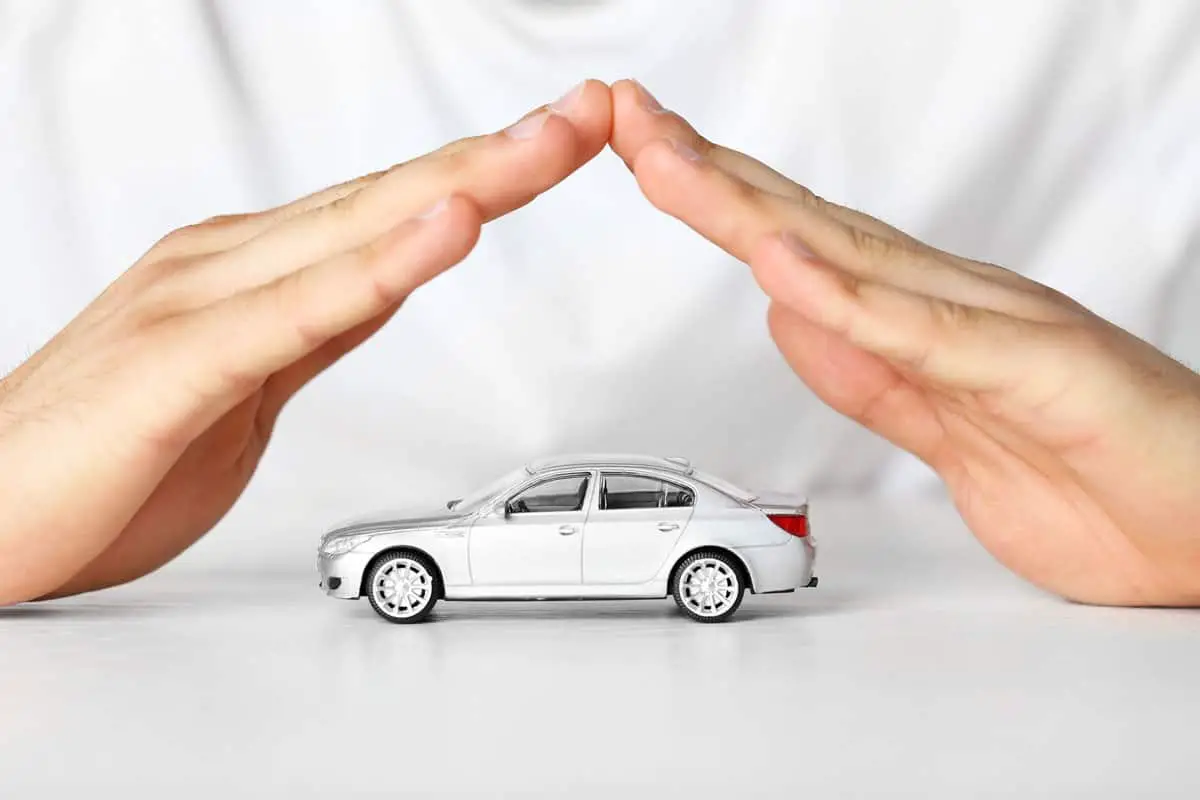
Why Car Insurance Is Important
The car has become an essential part of our lives, and people need it every day. Spending so much time in it, you probably realized that there are different dangers on the road. Sometimes, you can get into a risky situation with your own or others’ fault. Although companies invest large sums in the safety of new car models, traffic accidents occur on a daily basis due to various factors. Read here about possible car crash causes and how to avoid them.
Choosing a car insurance package is a good move if you want to protect yourself and your property, but it can be confusing for the customer. You need to keep an eye on a few critical things. Often it happens that you misunderstand some clause of a contract or some item was skipped while contracting. And when it comes to the payment, many problems can occur.
Types of Car Insurance
Every insurance house is a story for itself. One offers something that the other doesn’t have, the prices of insurance packages can differ a lot, as well as the conditions related to the payment of damages, etc. When you decide to buy a car insurance policy, find the time to compare various offers and find out which one is best for you.
Collision Insurance – In this case, you’ll receive compensation if there is damage or any injury caused by a collision, or after you hit some object or tree.
Comprehensive Insurance – It covers all the types of loss which happened during a theft, burglary, or some other criminal activity, but also the consequences of natural disasters. Which types of damage are included usually depends on the insurance houses. A lot of info you can find online, but if you just click here and there, you might get confused. Talking to insurance agent is the safest way to find out everything you want to know.
Liability Insurance – If there is a need for the insurance holder to pay damaged or injured person because of traffic or accident, this type of insurance covers this situation. Therefore, costs happened to the irresponsibility of the insurance holder.
Personal Injury Insurance – This type of insurance is useful to have because it includes all medical and hospital expenses of you and your passengers. If you have been injured in a collision or some accident, the cost of treatment may be a significant burden for your budget. And you never know how much the final amount will be.
Uninsured Motorist Protection Insurance – If any of the before-mentioned insurance can’t cover the resulting damages, this insurance package is there to compensate for the costs. For example, you’ll need this in cases where the culprit drove another person’s vehicle and don’t have insurance, or when the amount of his policy doesn’t entirely cover the resulting damage
Car Insurance is Not a Waste of Money
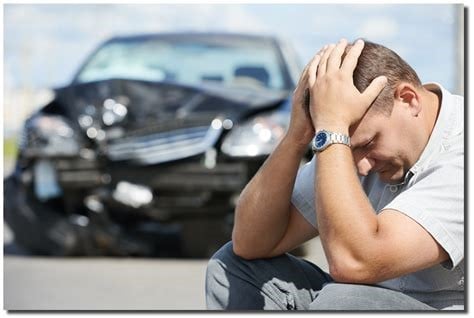
It’s never too late to decide on securing your vehicle. It is the proof that you are grown enough to understand that some situations can happen to you too. While you are young, you probably think that car insurance is just another unnecessary expense.
On this webpage, you can read why you are wrong about that and how can you save choosing the best deal: https://www.telegraph.co.uk/cars/advice/15-tips-for-cutting-the-cost-of-car-insurance/.
You are confident of yourself and your driving skills. That’s fine, but are you sure about others? Who can guarantee you that tomorrow the hurricane will not destroy your car? If your injury causes contemporary or permanent working disability, the payment you’ll get can be of great help.
If any natural disaster happens, and the damage to your vehicle is significant, the amount that your insurance covers will mean a lot to you. Especially if you are not in a financial position to buy another car right away.
Payment of damages is basically a simple matter. The way and flow of payment depend on the insurance houses. It usually happens very fast. You just have to work according to the law and to meet the deadline for reporting damage that is specified in the contract.
Your car insurance will cover all damages indicated in your policy. If some clauses are not mentioned – forget about that money because you won’t have valid evidence for your insurance company.
You have to understand that the risk exists all the time. Insurance will not only mean to you but also to your family. Of course, nothing can compensate for your suffering. However, some situations should be considered realistically and objectively.
This has been a paid guest post shared for your information.
